

Rivet Contacts
Learn More
Sheet Contacts
Learn More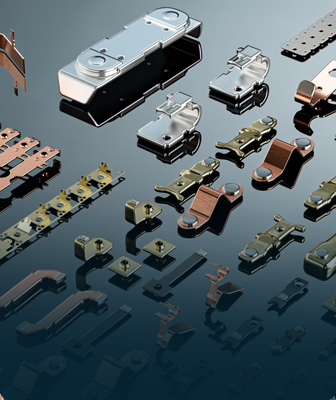
Sheet Contacts
Learn More
Sheet Contacts
Learn More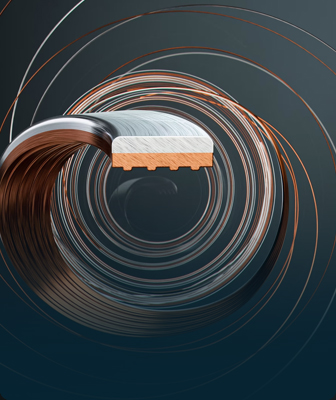
Sheet Contacts
Learn More
Sheet Contacts
Learn More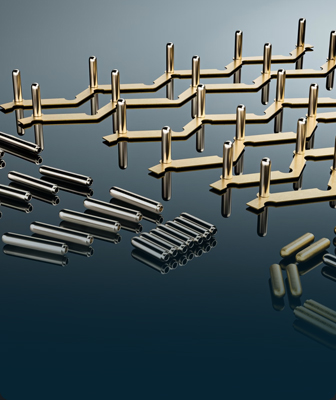
Sheet Contacts
Learn More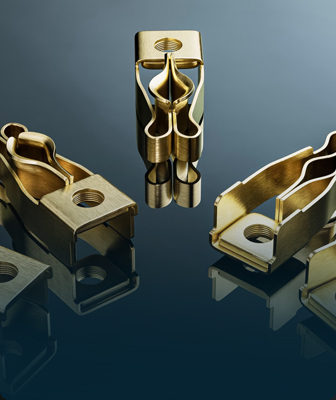
Sheet Contacts
Learn MoreDrawings define the product; collaboration defines the depth of the partnership
Process issue analysis and targeted optimization
Early Design for Manufacturability (DFM) recommendations
Rapid response to issues and on-site technical support
Flexible lead times to meet urgent demand
Continuous lifecycle cost optimization
Stable long-term supply to secure the supply chain
Full-process traceability and closed-loop quality management
Would you like to learn more about our services, or request a project directly?
Explore Our Knowledge Hub
Expertise in material selection, manufacturing and application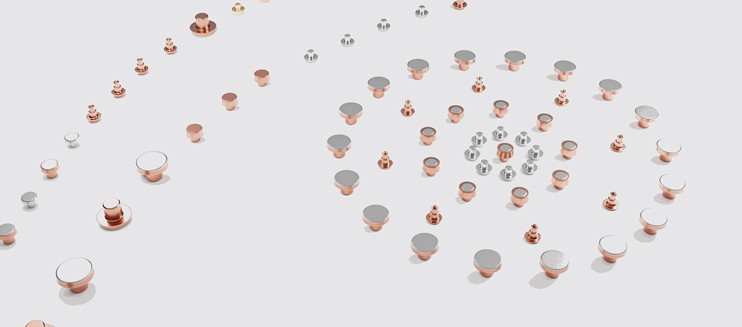
For many years AgCdO10 has been widely used in contact rivets for relays, switches and other electromechanical components due to its strong resistance to welding. Today, however, projects increasingly focus on replacing it with cadmium-free materials: cadmium itself and uncertainty about its future use in new applications and target markets are driving the change. This article evaluates suitable alternatives and key technical considerations.
For many years AgCdO10 has been widely used in contact rivets for relays, switches and other electromechanical components due to its strong resistance to welding. Today, however, projects increasingly focus on replacing it with cadmium-free materials: cadmium itself and uncertainty about its future use in new applications and target markets are driving the change. This article evaluates suitable alternatives and key technical considerations.
For many years AgCdO10 has been widely used in contact rivets for relays, switches and other electromechanical components due to its strong resistance to welding. Today, however, projects increasingly focus on replacing it with cadmium-free materials: cadmium itself and uncertainty about its future use in new applications and target markets are driving the change. This article evaluates suitable alternatives and key technical considerations.